 Turn Key Tanks
 Concrete Built
 Acrylic Panels
 Artificial Rock
Turn Key Tanks. Read More
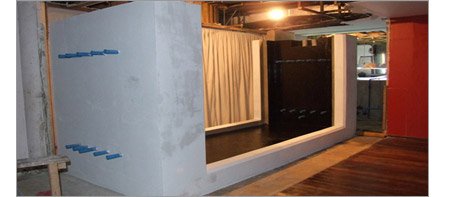
Concrete Built. Read More
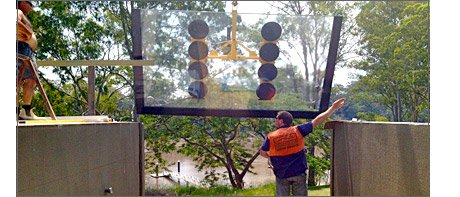
Acrylic Panels. Read More
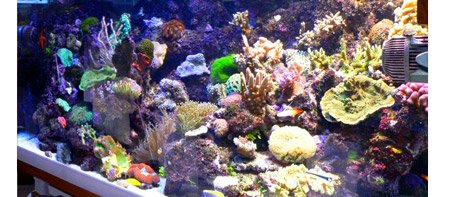
Artificial Rock. Read More
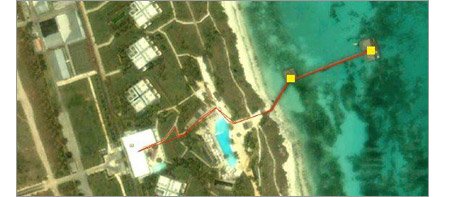
Aerial view showing the proximity of the build site to the reef used for source water collection.
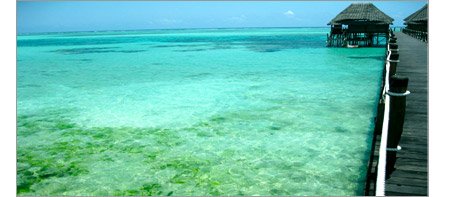
Algae growth on the beach — the first sign of elevated phosphate levels in the source water.
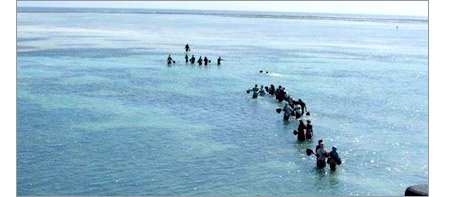
Live rock collected directly from the reef for use in the aquarium build.
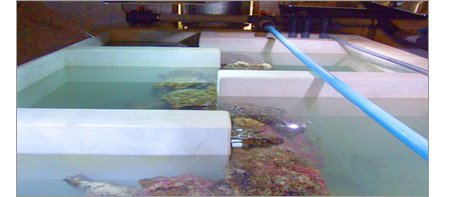
Live rock curing in the custom built nutrient sink tank prior to installation.
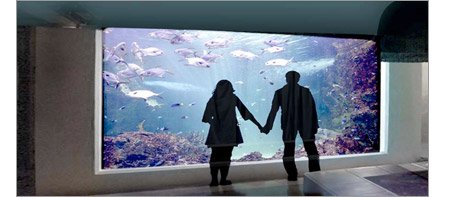
The completed aquarium — floor to ceiling acrylic viewing panel, engineered by M.J. Murphy Ltd NZ.
Aquarium Design Africa — Zanzibar Beach Aquarium, Kempinski Resort
Location: Zanzibar, Tanzania
Client: Kempinski Resorts and Hotels
Role: Concept Design, Structural Design, Acrylic Supply, Build Supervision
Engineering: M.J. Murphy Ltd, New Zealand
Year: 2010
Size: 25,000 litres
Construction: Concrete, steel and acrylic
Acrylic Window: 3.9m x 2.4m x 80mm thick
Time in Construction: 6 months
The Brief
Kempinski’s initial enquiry was direct: could Reefscape deliver a 6m x 2m x 2.4m acrylic aquarium to a beach resort in Zanzibar and put fish in it. Reefscape’s reply was equally direct — yes, but a feasibility study first would be a very good idea.
It was. Zanzibar in 2010 had no roads suitable for delivering a pre-built aquarium structure to a remote beach site, no established marine trades, and a marine environment that would have destroyed a poorly specified system within weeks.
What the Water Actually Said
Source water testing in front of the hotel revealed elevated phosphate levels — high enough to turn an aquarium into an algae farm within weeks of filling it. Investigation traced the cause to local fishing and farming practices: fertiliser used in the sea to encourage seaweed growth for harvest, a longstanding local livelihood with an unintended consequence for anyone trying to keep clear water nearby. Fresh water tests added a second problem — elevated metal content, the kind that concentrates dangerously in an aquarium as evaporated water is topped up, and which can poison coral and invertebrates over time.
Neither problem had an off-the-shelf solution. Both had to be designed around from first principles before a single structural drawing was produced.
The Engineering
Reefscape’s conclusion was that a poured concrete structure with acrylic viewing panels would outperform a fully fabricated acrylic tank delivered to a site with no infrastructure to support it. Structural and acrylic engineering for the project was carried out by M.J. Murphy Ltd of New Zealand — the practice behind the world’s first and second undersea restaurants at Conrad Maldives Rangali Island and Hurawalhi Island Resort. Murphy’s team designed and detailed the 3.9m x 2.4m, 80mm thick acrylic window and the concrete rebate it sits within, and checked the structural design of the tank itself. Reefscape’s own team installed it on site.
To solve the phosphate problem, Reefscape designed and built a custom 6,000 litre nutrient sink — a dedicated biological filtration system engineered specifically to strip phosphate and nitrate from the resort’s seawater supply before it ever reached the display tank. Water samples taken over six weeks of operation recorded steadily decreasing levels of both compounds, reaching negligible concentrations by the end of the testing period. A problem that would have killed the project on a conventional system was solved before the main tank was even filled.
The Build
Reefscape worked with local officials to navigate Tanzanian marine legislation and building codes, sourced a reliable local building and rigging team, and supervised the build through to completion and system start-up. Live rock for the display was collected directly from the surrounding reef and cured in the nutrient sink before being introduced to the main tank — turning a logistical constraint into a genuinely local, site-specific build.
The finished aquarium gives resort guests a floor-to-ceiling view through 80mm of optically engineered acrylic into a thriving marine display — built in a location where almost nothing about the brief was straightforward, and where every problem the site presented was solved with custom engineering rather than a standard specification sheet.
Features of Note:
- 25,000 litre concrete and acrylic aquarium structure
- Twin floor-to-ceiling acrylic viewing panels, 3.9m x 2.4m x 80mm
- Structural and acrylic window engineering by M.J. Murphy Ltd, New Zealand
- Custom designed 6,000 litre nutrient sink — phosphate and nitrate reduced to negligible levels within six weeks
- Five recirculating protein skimmers
- Eighteen 250 watt metal halide lighting units
- Dedicated seawater pumping station from the hotel jetty
- Reverse osmosis top-up system