 Turn Key Tanks
 Concrete Built
 Acrylic Panels
 Artificial Rock
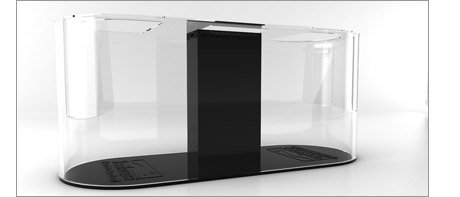
Turn Key Tanks. Read More
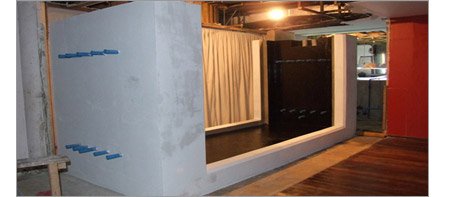
Concrete Tanks. Read More
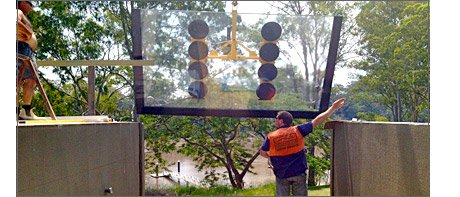
Acrylic Panels. Read More
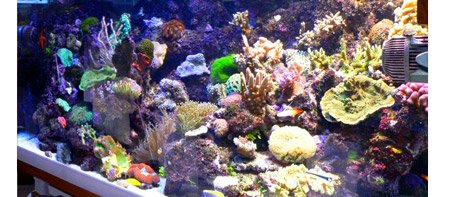
Artificial Rock. Read More
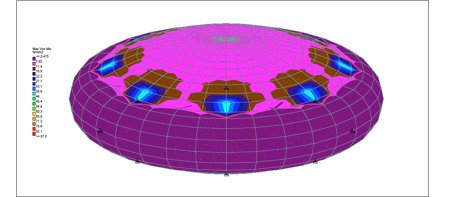
Underwater restaurant Space Gass stress distribution — load case hydrostatic.
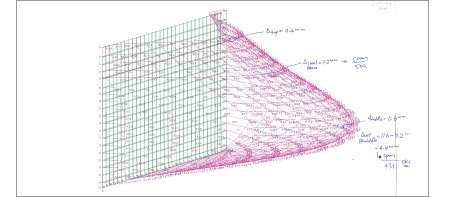
Acrylic swimming pool window hydrostatic deflection simulation.
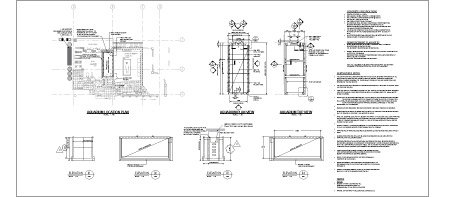
CAD construction issue drawings.
Aquatic Structural Engineering
Aquatic structures fail for reasons most structural engineers have never encountered. Hydrostatic loads that increase non-linearly with depth. Acrylic panels that creep under sustained pressure over years, not hours. Bonded joints between dissimilar materials in permanently wet environments. The long-term corrosive effect of saltwater on steel, concrete and adhesive systems. These are not standard engineering problems — and standard engineering documentation, produced without aquatic specialist input, routinely gets them wrong.
The Knowledge Behind the Numbers
Reefscape brings specialist aquatic engineering knowledge to every project — the understanding of how water, pressure, materials and biological systems interact over time that most structural engineers simply don’t carry. We know what loads an acrylic viewing window needs to be designed for. We know how to specify a steel frame for a saltwater environment. We know what the engineering documentation for an underwater restaurant needs to say, and what it misses when produced without aquatic specialist input.
That knowledge sits behind every project we touch — whether we are leading the design, consulting on a concept, or reviewing documentation produced by others.
Working With Accredited Engineers
Reefscape works alongside accredited structural engineering firms in Australia and internationally — bringing aquatic domain expertise into the engineering process from the start. We brief, we specify, we review, and we ensure the engineering properly serves the design intent. The result is documentation that an accredited firm stands behind, informed by knowledge they couldn’t have produced without us.
If your project requires certified structural engineering documentation, we will identify the right firm and manage that relationship as part of our engagement.
What We Bring to the Engineering Process
Hydrostatic load analysis. Correctly calculating the pressure loads on viewing panels, tank walls and underwater structures at every depth — and understanding how those loads change with temperature, salinity and time.
Acrylic deflection and creep. Specifying panel thickness, bonding methods and framing systems that account for long-term acrylic behaviour under sustained hydraulic load — not just opening-day performance.
Material specification for wet environments. Steel grades, protective coatings, concrete mixes, sealant systems and FRP lamination schedules that perform in permanently saturated, biologically active saltwater conditions.
Construction documentation review. Identifying engineering decisions that look correct on paper but create problems during construction or over the life of the installation.
Just the Engineering Advice?
Reefscape is regularly engaged by architects, developers and aquarium operators to review engineering proposals, identify specification gaps, and provide the aquatic technical intelligence their accredited engineers need to complete documentation correctly. If you have a project where the engineering doesn’t feel right — or where you’re not sure what right looks like — that is exactly the conversation we are here for. For broader aquatic design and experience questions, visit our design or consultation pages.